Make Your Home a Jungle That Thrives

Today we dive into Microclimate Hacks for Happy Houseplants, translating plant physiology into everyday choices about light, humidity, airflow, temperature, and watering. Discover small, repeatable adjustments that turn shelves, sills, and corners into thriving pockets of life, while avoiding common pitfalls and stress. Share your own experiments, compare notes, and grow with a community that celebrates progress, not perfection.

Light That Plants Understand

Sunlight is information for plants, not just brightness. Intensity, duration, angle, and spectrum vary dramatically across windows, seasons, and obstructions, shaping growth, color, and blooming. Learn to read shadows, track path changes, and balance gentleness with energy, building stable spots where leaves photosynthesize effectively without scorching, etiolating, or stalling.
Walk each room at morning, noon, and late afternoon, noticing beam angles, reflected glints, and movable shade from trees or neighboring buildings. Use your phone’s light meter or a simple lux app to quantify patterns, then match species to zones where their tolerance aligns with predictable, supportive exposure.
Sheer curtains, rice paper, and frosted films soften harsh midday rays, while mirrors and white walls reclaim lost photons for understory lovers. Test distances gradually, watching leaf posture and internodes. Small angle changes can redirect intensity, creating bright yet buffered shelves ideal for calatheas, ferns, and tender variegates.
LED grow bars with balanced spectra fill seasonal gaps without heat stress. Mount them sidewise to reduce glare, set timers for consistent photoperiods, and elevate lights as plants grow. Track response with weekly photos, adjusting duration incrementally to optimize growth while preventing algae blooms or unnecessary energy use.

Humidity Without the Hassle

Moisture in the air controls stomata, transpiration, and leaf stability. Instead of constant misting, build steady humidity through clustering, evaporation surfaces, and well-chosen rooms. Understand vapor pressure deficit to avoid edema or crisp edges, and craft micro-pockets that support delicate species without inviting mold or discouraging airflow.

Drafts Versus Breezes

Cold drafts from windows or doors shock leaves and stall photosynthesis, but soft, consistent breezes toughen tissues and reduce disease. Test with a ribbon tied to a stake, adjusting fan speed until it quivers gently, not flaps wildly. Keep airflow indirect, bouncing off walls for even distribution.

Potting Mix for Oxygen

Blend chunky bark, perlite, and pumice into your base to create macropores where air and water cycle predictably. Species from arid regions appreciate extra grit, while aroids enjoy fibrous structure. Reassess mix annually as roots densify, restoring texture that prevents compaction, sour smells, and unseen suffocation below the canopy.

Fans, Vents, and Safe Circulation

Oscillating fans on low settings, angled past plant clusters rather than at them, limit hotspots and encourage stronger stems. Coordinate with HVAC vents using deflectors to diffuse blasts. Schedule brief cycles after watering days, then pause overnight, keeping relative humidity and leaf temperature stable for restful, resource-efficient respiration.

Temperature Sweet Spots, Day and Night

Most houseplants prefer steady warmth with gentle day–night shifts that cue metabolic rhythms. Avoid radiators, ovens, or icy panes that create stress gradients. Insulate pots from cold sills, buffer heat sources with trays, and observe leaves for curling, wilting, or burn that reveals hidden temperature turbulence.

Finding the Cozy Zone

Place a simple thermometer at pot level, not eye level, and track highs and lows across a full week. Note sunrise drafts and midnight dips. Many tropicals thrive around consistent low twenties Celsius, tolerating brief swings, but sudden spikes or plunges leave cellular scars that appear weeks later.

Seasonal Adjustments

Summer ceilings intensify attic rooms, while winter convection chills bay windows. Shift sensitive plants inward during extremes, and lengthen dark rest periods when growth slows. Use insulating cachepots, cork pads, or double curtains to smooth gradients, protecting roots and leaves from abrupt thermal stress that compounds pest pressures.

Shielding from Extremes

Reflective blinds repel harsh afternoon heat, and insulating films reduce overnight chill. For large panes, create buffer rows with taller, tougher plants acting as windbreaks. Keep foliage from touching glass, and rotate monthly to equalize exposure, preventing asymmetric growth, leaf spotting, and strain on vulnerable new tissue.

Watering with Microclimate in Mind

Moisture needs are a moving target shaped by light, heat, airflow, pot size, and substrate. Replace rigid schedules with observation. Weigh pots, probe depths, and log intervals. Calibrate frequency to local conditions so roots alternate between hydration and oxygen, unlocking steady growth instead of feast-or-famine stress cycles.

The Finger, the Weight, and the Meter

Use layered cues to decide when to water: feel two knuckles deep, lift the pot to gauge depletion, and verify with a calibrated sensor if desired. Cross-check totals over months, noticing seasonal drift, then adapt deliberately rather than reactively, keeping leaves turgid and roots confidently exploratory.

Wicking, Bottom-Watering, and Timing

Capillary mats and wicks deliver steady moisture for thirsty species while protecting against overpouring. Bottom-water to rehydrate hydrophobic mixes, then drain fully to reoxygenate. Water early in the day to align with photosynthetic demand, limiting night chill risks and giving leaves time to dry before darkness settles.

Minerals, pH, and Leaf Health

Tap water chemistry varies widely, influencing pH, nutrient availability, and salt accumulation. Test periodically; flush pots to prevent crusts and tips burn. For sensitive plants, mix rainwater or filtered water. Pair gentle fertilization with strong light so resources convert into tissues rather than linger, inviting pests.

Soil, Pots, and Evaporation Control
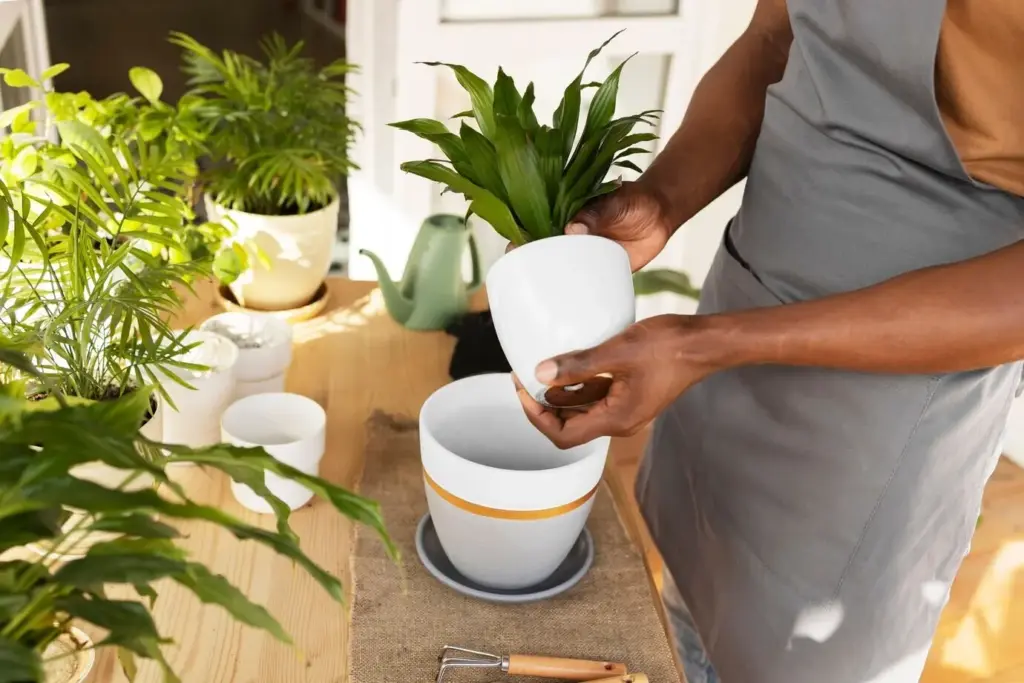
Container materials and substrate architecture steer evaporation, retention, and oxygenation. Terracotta breathes quickly, plastic holds longer, and glazed ceramics moderate swings. Right-size pots to the root ball, add structure for species-specific needs, and top-dress thoughtfully to influence surface drying, microbe habitat, and temperature at the soil line.
Zutitaxipukakone
Privacy Overview

This website uses cookies so that we can provide you with the best user experience possible. Cookie information is stored in your browser and performs functions such as recognising you when you return to our website and helping our team to understand which sections of the website you find most interesting and useful.