Map the Light, Place with Confidence
Today we dive into light mapping your home to place houseplants by microclimate, turning corners, windows, and hallways into thriving habitats. We’ll translate shifting sunbeams, temperature pockets, and humidity quirks into a simple, living map that guides every pot. Expect practical tools, friendly science, and real stories, plus prompts to share your results, ask questions, and celebrate wins with fellow growers.
Find the Hidden Microclimates in Every Room
Behind identical paint and neat floor plans, each room hides warmer corners, cooler drafts, and wildly different light angles across the day. Understanding these microclimates helps you stop guessing and start placing with intention. We’ll explore how building orientation, window treatments, radiators, and even bookcases shape temperature, humidity, and brightness, so your plants receive conditions that feel natural, stable, and kind.
Using a Lux Meter or Phone
A handheld lux meter gives fast, objective numbers; many phone apps come surprisingly close when used consistently. Measure at leaf height, not the floor, and sample several points per surface. Note direct sun minutes too, because high lux without sun behaves differently for many species.
Building Daily and Seasonal Light Profiles
Record morning, midday, and late afternoon readings for a week, then repeat in another season. Add sunrise angles and tree leaf-out dates. You’ll capture how solstices stretch or shrink beams, helping you relocate delicate plants before sunburn or bolster dim corners before winter gloom arrives.
Low-Light Companions
ZZ plant, snake plant, pothos, and cast iron plant persist where readings stay modest and direct sun never lingers. They still appreciate consistency and occasional rotation. Place them away from vents, beside bright rooms, or near reflective walls to maximize gentle rays without risking scorch or chronic stretch.
Medium-Light All-Rounders
Monstera, philodendron, peperomia, and hoya favor bright indirect conditions with reliable mornings and softened afternoons. Give them a meter or two from east windows, or filter western sun through sheer curtains. Train vines along trellises that track light paths, encouraging balanced growth and fewer awkward, light-seeking gaps.
Sunlovers with Boundaries
Cacti, euphorbia, jade, rosemary, and citrus relish long, bright exposures, yet many indoors still need moderation. Provide direct hours near south glass, add reflective backsplashes, and rotate weekly. Watch leaf temperature and midday intensity, using mesh shade or distance tweaks to prevent bleaching, corking, and stress stalls.
Match Plant Personalities with Their Perfect Spots
Each species brings preferences shaped by native habitats, from shaded forest floors to blazing rock outcrops. By cross-referencing your light map and microclimates, you can seat each plant like a guest at a thoughtful dinner. Happy placements cut maintenance, reduce pest pressure, and showcase natural form.
Reading Signals and Fine-Tuning Placements
Plants constantly communicate. Pale, stretched stems plead for more photons; scorched patches shout for softer rays. By checking new leaves, soil speed, and internode gaps against your map, you can move pots inches rather than rooms, achieving graceful, lasting improvements without upheaval, guesswork, or endless accessory purchases.
Decoding Leaves and Stems
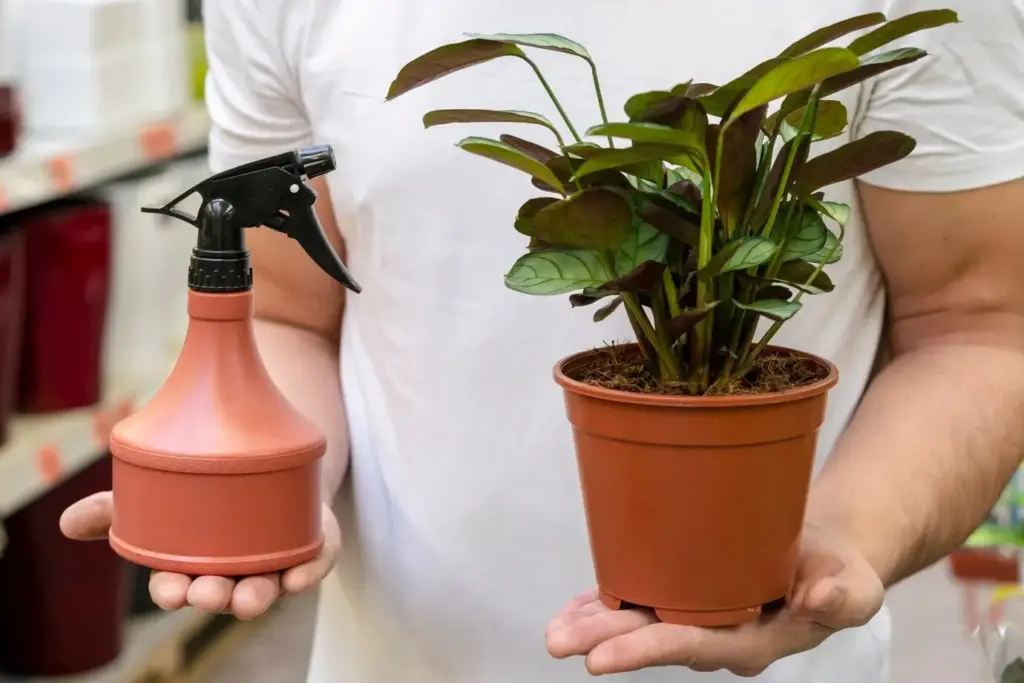
Leggy vines, undersized foliage, and constantly tilted petioles indicate light scarcity, whereas tight nodes, compact crowns, and bronzing warn of excess. Compare two similar placements for two weeks. The plant that settles, unfurls calmly, and holds color shows the better match; keep notes to reinforce instincts.
Shifting Seasons without Stress
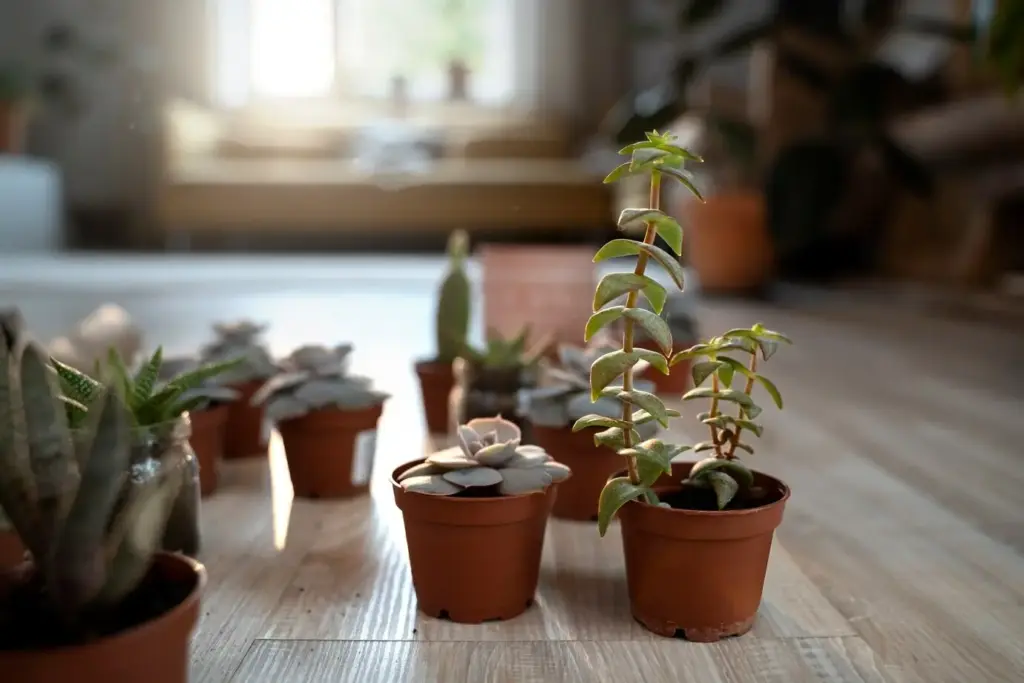
As the sun climbs or sinks, your best spring spot might become a summer furnace or winter cave. Pre-plan reroutes on the map, easing moves by inches each week. Group similar needs on trays so seasonal adjustments feel like tidy refreshes rather than disruptive houseplant migrations.
DIY Light Boosts and Shades
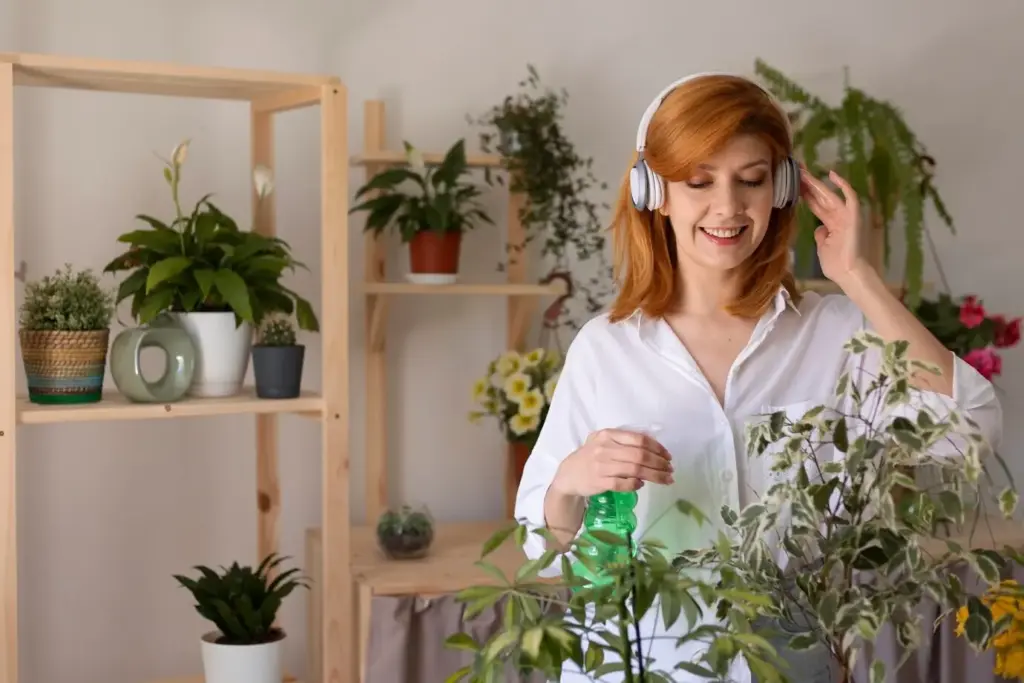
Sheer curtains, micro blinds, and adjustable plant stands act like dimmers and reflectors. White card, mirrors, and pale walls brighten alcoves; mesh fabric or frosted film softens harsh beams. These small, reversible tweaks reshape microclimates cheaply, helping vulnerable leaves acclimate while preserving attractive, livable spaces.
A Home Transformed: Stories from Windowsills and Corners
Studio Apartment with One Window
A student mapped hourly light across a tiny east bay, discovering a bright, indirect ribbon two meters deep until noon. Snake plants lined the threshold, pothos climbed a shelf, and a small cactus basked on the sill. Watering stabilized, gnats disappeared, and study breaks became peaceful jungle moments.
North-Facing Townhouse Puzzle
An owner paired mirrors with a sheer partition to bounce winter sun deeper, while a lux app tracked slow afternoons. Medium-light philodendrons found happiness opposite the brightest wall, and ferns thrived near a humidifier. The updated map prevented overreaching purchases and saved delicate leaves from seasonal mood swings.
Kid-Friendly Jungle
A family wanted tough greenery away from climbing toddlers. Mapping revealed resilient, medium-light shelves above play zones and a sunny stair landing for succulents behind a gate. Durable pothos trails, a jade, and a rubber tree flourished, while watering moved to weekends, reducing spills, stress, and parental frustration.
Keep Exploring, Share Your Map, Grow Together
Learning thrives in conversation. Post a snapshot of your light map, include lux ranges and sun minutes, and tell us what shifted. Subscribe for monthly check-ins, seasonal reminders, and printable tools. We’ll celebrate progress, troubleshoot surprises, and build a kinder, greener practice rooted in observation, patience, and joy.
Printable Checklist and Mapping Template
Download a simple worksheet with hourly slots, lux targets, and placement prompts, then tape it to a cabinet for quick access. Share a filled example in the comments to inspire others. We’ll feature inventive layouts, clever hacks, and courageous before‑and‑after moves in upcoming community roundups.
Ask an Expert, Crowdsource Wisdom
Post a photo with compass direction, distance from glass, and lux readings, plus your plant’s recent behavior. The community and our moderators will suggest precise tweaks grounded in light mapping and microclimate clues. Report back with results so everyone learns from your troubleshooting journey and subtle wins.
Monthly Light Check Challenge
Once a month, remeasure three spots, rotate one plant, and adjust one curtain. Post your before‑after snapshots and notes. Over time, these tiny rituals compound into resilient placements, clearer intuition, and fewer problems. Prizes include shoutouts, plant cuttings, and printable badges to celebrate your consistent, caring practice.