Houseplants That Shine Year-Round: Mastering Seasonal Microclimates
Today we’re diving into seasonal microclimate adjustments to help houseplants thrive: practical ways to fine-tune light, temperature, humidity, airflow, and watering as the calendar shifts. Expect actionable tips, science-backed insights, stories from growers, and friendly guidance you can apply right away.
Reading the Room: Light, Heat, and Humidity Across the Year
Before changing routines, learn to notice the subtleties of your space. Sun angles drift, vents cycle differently, windows leak cool air, and daily habits move plants closer to or farther from comfort. By observing patterns and documenting small changes, you build confidence to act early, keeping stress low and growth steady. Share how your home shifts through the seasons, and let’s compare notes about bright windows, stubborn drafts, and those unexpectedly perfect corners where plants flourish without extra effort.
Winter Care Without the Guesswork
Short days slow metabolism, soil dries slowly, and chilly glass can shock leaves. This season rewards patience, targeted light supplementation, and careful watering guided by root readiness rather than habit. Embrace modest growth, protect from drafts, and monitor for silent pests hitching rides on holiday greenery. Share your winter wins or worries, and we’ll troubleshoot together, focusing on stability that preserves energy now and sets up vibrant, vigorous rebounds as sunlit hours return in early spring.
Make Every Photon Count
With fewer daylight hours, prioritize clean windows, reflective walls, and well-positioned grow lights. Choose full-spectrum bulbs on a timer, aiming for consistent, moderate intensity rather than sporadic brightness bursts. Raise lights gradually as plants stretch, preventing legginess through steady, reliable exposure. Keep foliage dust-free for better photosynthesis, and rotate pots weekly to balance growth. Tell us your light setup, wattage, and distance, and we’ll suggest tweaks to maximize efficiency while keeping energy use and plant stress in check.
Watering by Metabolism, Not Habit
Cold rooms and short days slow uptake, so overwatering becomes the main winter pitfall. Instead of calendar watering, probe soil, weigh pots, and wait for meaningful dryness before refilling. Water slightly warmer than room temperature to minimize root shock, and empty saucers promptly. Watch for subtle signals like cool, heavy containers and dull leaf sheen. Share your potting mixes and container sizes, and we’ll help calibrate intervals, ensuring hydration aligns with reduced demand rather than routine.
Warm Roots, Safe Leaves
A few degrees make a huge difference. Keep pots off cold windowsills by adding cork coasters or wooden risers, and shield foliage from icy glass with a breathable barrier. If rooms dip at night, consider heat mats with thermostats for root zones, leaving foliage in cooler, calmer air. This balance reduces stress and prevents leaf edge damage. Post your nighttime temperature readings, and we’ll strategize safe, energy-smart ways to maintain comforting warmth where plants actually need it—around their roots.
Brighten Gradually, Prevent Sunburn
Spring sunshine can feel deceptively gentle, but glass magnifies intensity fast. Introduce brighter spots in stages, using sheer curtains or brief morning light windows. Increase duration weekly rather than jumping locations overnight. Rotate pots to equalize exposure, and watch for pale, crispy patches signaling overexposure. When in doubt, shift back a foot and reassess. Tell us your plant list and window orientations, and we’ll chart a safe light ramp that unlocks growth while protecting delicate, shade-acclimated foliage.
Repotting with Respect
Transplanting is exciting, yet timing matters. Look for roots circling the base or pushing through drainage holes before upsizing. Choose a pot one to two inches wider, refresh the mix, and consider species-specific amendments like orchid bark or perlite. Water lightly to settle soil, then pause feeding until new growth confirms recovery. Avoid repotting everything at once; stagger changes to monitor responses. Share photos of root systems, and we’ll recommend tailored substrates and pot choices that balance stability and fresh space.
Summer Heat, Sun, and Storms
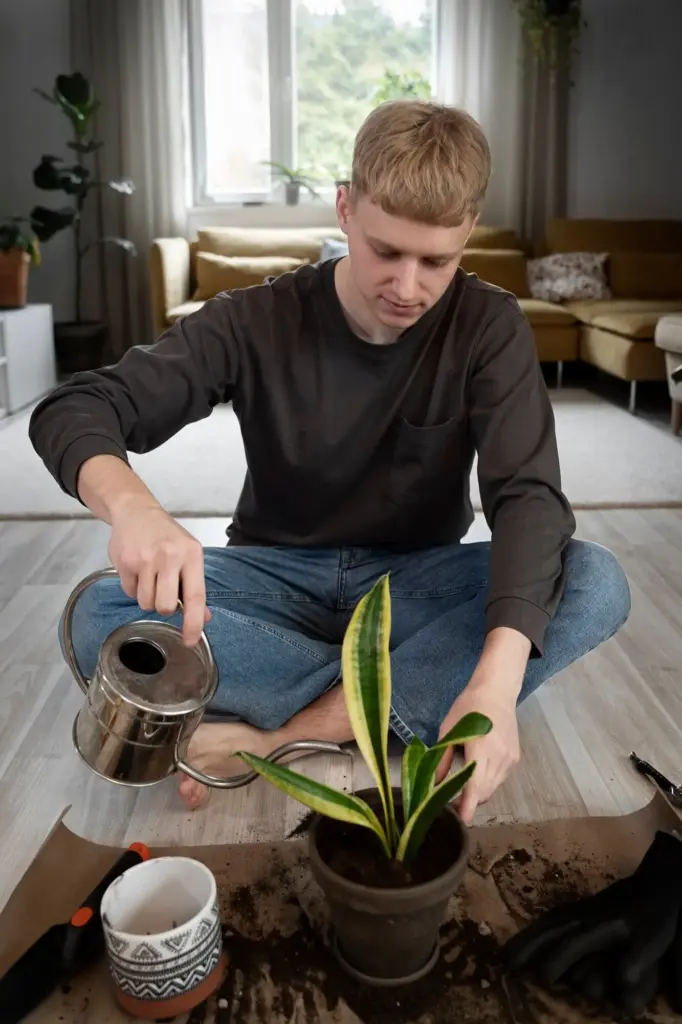
Long days energize plants but invite heat stress, rapid evaporation, and surprise pest surges. Embrace bright mornings, buffer intense afternoons, and keep airflow steady without desiccating leaves. Hydration strategies shift toward smaller, more frequent waterings or well-timed deep soaks, depending on substrate and species. Watch for storm-driven drafts or temperature swings near windows. Share your summer routines, from shading hacks to fan placements, and we’ll help tune a responsive system that supports exuberant growth while preventing fatigue and scorch.
Autumn: Gentle Slowdown
Shortening days signal a graceful easing of growth. Begin tapering water and light intensity thoughtfully, not abruptly, and watch for plants that prefer cooler nights to set buds. Prepare indoor spaces before the first cold snap, rinsing foliage and inspecting soil lines for hidden pests. Reposition sensitive species away from drafty windows. Tell us when your region’s daylight shifts noticeably, and we’ll refine a calm, gradual plan that prioritizes health, prevents shock, and readies roots for a restful, restorative season.
Taper Light and Water Intelligently
As the sun arcs lower, reduce exposure in increments, not leaps. Pull back grow light hours by small daily margins and space waterings further apart as soils stay moist longer. Observe each plant’s signals—slower drinking, fewer new leaves, deeper greens—before making changes. Keep notes to track responses. Share your light schedules and any early yellowing or droop, and we’ll calibrate gentle reductions that protect vigor while acknowledging the season’s quieter, energy-conserving pace.
Pest Patrol During Seasonal Moves
Bringing containers indoors or shifting window spots can introduce hitchhikers. Rinse leaves, inspect undersides, and refresh the top inch of soil where gnats and mites hide. Quarantine newcomers for two weeks, using sticky traps and weekly neem or soap rinses if needed. Increase vigilance as heaters start, since dry air favors outbreaks. Report what you’ve seen—webbing, speckles, or curling—and we’ll identify likely culprits, suggesting targeted, gentle controls that preserve beneficial microbes while restoring calm to your collection.
Designing Micro-Zones at Home
Every home hides distinct niches: bright east-facing nooks, cozy corners near bookshelves, airy spots beside vents, and surprisingly humid bathroom shelves. Map these micro-zones using simple observations and affordable tools, then place species where they’ll feel instantly at home. Revisit the map each season as sun angles and HVAC patterns evolve. Share photos or sketches of your layout, and we’ll collaborate on placements that reduce effort, prevent stress, and unlock consistently beautiful growth without constant adjustments or guesswork.
Windowsill Microclimates, Mapped
Even within one room, a south window’s left edge may scorch while the right side remains gentle. Track midday hotspots with your hand test, note morning brightness, and measure nighttime chills near glass. Label zones for cacti, trailing pothos, or humidity-loving ferns accordingly. Rotate residents seasonally rather than forcing one-size-fits-all positions. Post your window orientations and daily observations, and we’ll refine a personalized placement plan that transforms scattered bright spots into a cohesive, stable environment for flourishing leaves.
Tools that Make Precision Easy
You don’t need lab gear to be precise. A basic light meter or reliable app, a hygrometer-thermometer combo, and a moisture meter for tricky mixes create clarity quickly. Pair these with timers for lights and humidifiers, plus fan speed controls. Review weekly readings to spot trends before issues escalate. Tell us what tools you have and your budget, and we’ll suggest smart upgrades or creative alternatives that keep care practical, consistent, and surprisingly stress-free throughout changing seasons.
Routines that Keep Data Useful
Measurements matter only when they inform habits. Set a weekly five-minute check: note light duration, humidity ranges, and soil moisture, then adjust one variable at a time for clear cause and effect. Photograph plants monthly under similar lighting to track subtle progress. Celebrate small wins with the community by sharing your logs and results. We’ll help interpret patterns, reducing noise and building a dependable, season-aware routine that supports lush, predictable growth and fewer mysterious setbacks.