Tiny Sanctuaries of Glass for Ledges Bathed in Light
Today we dive into DIY mini greenhouses and cloches for shelf and windowsill plants, exploring simple builds, rescued materials, and clever microclimate tricks that turn overlooked ledges into thriving habitats. You will learn how compact enclosures boost humidity, soften drafts, stabilize temperature swings, and protect delicate seedlings while looking beautiful beside your books, mugs, and morning coffee. Expect practical steps, inventive layouts, low-cost hacks, and real stories from small apartments where limited space sparked big botanical wins.

Humidity and Transpiration in Small Spaces
Plants release moisture through stomata, and dry indoor air pulls that water away quickly. Under a cloche or tiny greenhouse, humidity rises, cutting evaporative stress and helping cells stay turgid. You will also see more reliable new growth and less leaf-edge crisping. For propagation, this cushion of moisture keeps cuttings hydrated while they push roots, speeding the moment when your jar of hope becomes an actual plant that forgives missed mistings and occasional weekend trips.

Light on a Ledge: Reflection, Angle, and Diffusion

Window angles change with seasons, and reflections from nearby walls or metal fixtures can scorch tender foliage. Clear covers diffuse harsh beams, while white card or mylar at the back bounces usable light toward lower leaves. Tilting a small enclosure a few degrees can reduce glare lines and funnel brightness deeper. If daylight fades, low-heat LED strips outside the enclosure maintain gentle photons without cooking foliage, supporting compact growth rather than leggy stems grasping for distant sunshine.

Gather Smart Materials Without Overspending
You do not need expensive terrariums to get professional results. Reuse jam jars, bakery clamshells, candle domes, and picture frames; pair them with clear acrylic, PET sheets, or salvaged greenhouse film. Silicone sealant and painter’s tape help create tidy corners, while small brass hinges, binder clips, or magnets become adjustable vents. Keep a hygrometer, a tiny thermometer, and alcohol wipes handy for monitoring and cleaning. By choosing light materials and simple connectors, your build stays affordable, portable, and repairable.

Designs That Respect Narrow Shelves and Sills

Space is precious on a windowsill, so every millimeter counts. Favor low profiles, light materials, and footprints that let curtains close and handles turn. Angled backs clear window locks; sliding tops allow quick watering; raised bases keep moisture away from wood. Reflective inserts brighten shade-facing leaves without adding heat. Consider magnets for removable fronts or a single pivoting panel for easy pruning. When everything is designed to move smoothly, your plants thrive without you knocking over mugs or treasured trinkets.

01

Slim Cloche That Plays Nicely with Curtains

A shallow dome made from a cut-down bottle or glass shade can hover over seedlings while leaving curtain movement unhindered. Sand the cut edge or finish with edge trim for safety. Add two pencil-thick risers under opposite sides to create a subtle gap that prevents stagnant air and fog buildup. The result guards humidity, avoids collisions during nightly curtain closings, and still lets you peek inside each morning when dew freckles the inner surface like tiny constellations inviting a quiet check-in.

02

Stackable Frame for Bookshelf Propagation

Build a lightweight cube from thin wooden dowels and acrylic panels, then add corner caps that accept additional tiers. Each level hosts cuttings or seedlings in labeled trays, while a side vent maintains gentle airflow. Because the footprint mirrors a standard shelf depth, you can slide the unit like a book and water without moving every pot. Stackability means one successful experiment becomes three, and your best cuttings graduate upward, leaving the bottom shelf for freshly snipped, hopeful newcomers.

03

Clip-On Vents and Removable Shades

Sun angles change hourly, and many sills cook at noon. Create snap-on shades from translucent polypropylene folders to soften glare while keeping visibility. Pair them with small clip-on vents that hold the lid slightly ajar for fifteen minutes after watering. This reduces fungal risk and clears heavy fog without losing all humidity. The system feels like armor you can rearrange, letting you respond to weather swings quickly, and it stores flat in a drawer when evenings call for a tidier silhouette.
Fast Projects You Can Finish This Afternoon
Simple builds invite confidence. Start with designs that need only basic tools, clear instructions, and a single cup of tea. Use painter’s tape as a temporary hinge while silicone cures, then add discreet hardware for daily use. Prioritize safety: sand edges, ventilate while gluing, and let sealants cure completely. These approachable projects transform recycled items into elegant plant shelters that bring instant results, like perkier leaves by morning and roots appearing faster than you expected, rewarding every careful step you take.

Water, Fog, and What Leaves Are Telling You

If condensation pools heavily at the top, your substrate may be too wet. Prop the lid open for ten minutes, then reassess. Curling leaves often signal dryness or heat buildup, while soft, translucent patches warn of overwatering. Learn your plant’s language by tracking daily fog patterns and leaf posture. A simple notebook or phone note builds intuition. With a few weeks of observation, you will pour less, vent smarter, and enjoy sturdier growth that matches your room’s unpredictable rhythms.

Pest Prevention without Harsh Sprays

High humidity can invite fungus gnats or mildew if airflow is neglected. Use yellow sticky tabs tucked discreetly near the base and bottom-water to discourage gnats. Wipe interior walls weekly with diluted hydrogen peroxide to keep biofilm from building. Introduce cinnamon on soil as a gentle barrier and isolate new cuttings for observation. Regular brief venting sessions prevent stagnant pockets. By staying attentive and calm, you avoid heavy chemicals and keep your small ecosystems healthy, clean, and pleasantly fragrant.

Who Thrives Here—and Who Needs a Different Home
Seedlings, Cuttings, and Moisture-Loving Companions

Philodendron and pothos cuttings root quickly under gentle humidity, while baby ferns unfurl without crisping. Mosses create emerald carpets along pot edges, preserving moisture and charm. Seedlings of peppers and tomatoes enjoy faster early growth when nights are cool near windows. Keep airflow mild and lids cracked after watering to prevent damping off. When roots fill starter cells, graduate them to breezier conditions. That steady progression mirrors nature’s gradual challenges, building stronger plants ready for a bigger room and brighter days.

Compact Edibles on a Bright Sill

Philodendron and pothos cuttings root quickly under gentle humidity, while baby ferns unfurl without crisping. Mosses create emerald carpets along pot edges, preserving moisture and charm. Seedlings of peppers and tomatoes enjoy faster early growth when nights are cool near windows. Keep airflow mild and lids cracked after watering to prevent damping off. When roots fill starter cells, graduate them to breezier conditions. That steady progression mirrors nature’s gradual challenges, building stronger plants ready for a bigger room and brighter days.

Cacti and Succulents: Special Rules and Exceptions

Philodendron and pothos cuttings root quickly under gentle humidity, while baby ferns unfurl without crisping. Mosses create emerald carpets along pot edges, preserving moisture and charm. Seedlings of peppers and tomatoes enjoy faster early growth when nights are cool near windows. Keep airflow mild and lids cracked after watering to prevent damping off. When roots fill starter cells, graduate them to breezier conditions. That steady progression mirrors nature’s gradual challenges, building stronger plants ready for a bigger room and brighter days.

Community, Creativity, and Your Next Build
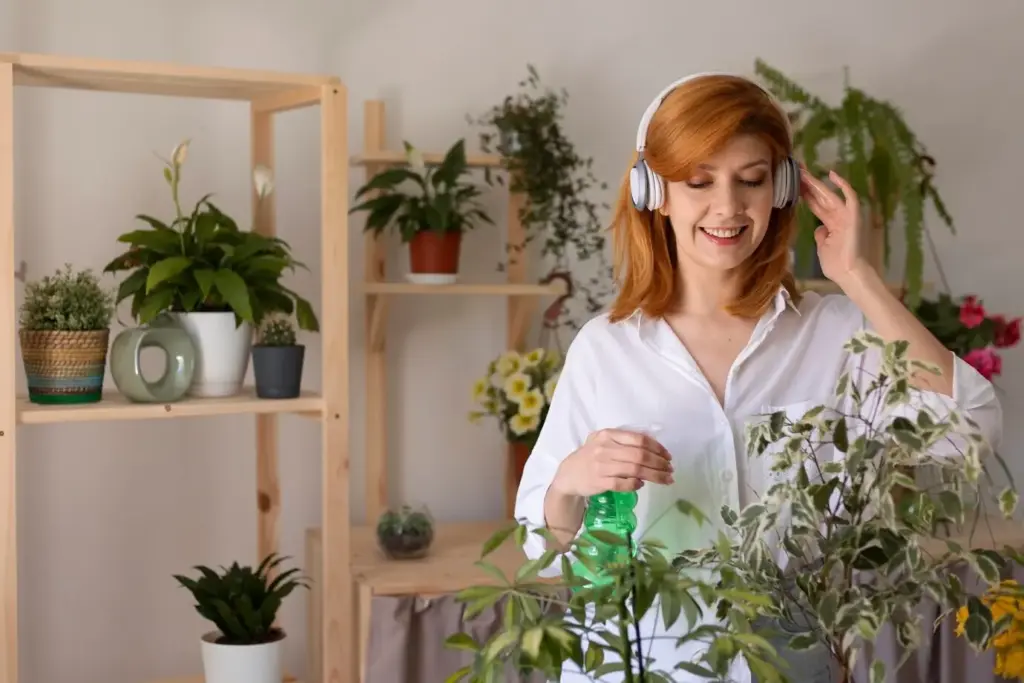
Every tiny greenhouse tells a story: a saved cutting, a revived fern, a seed that finally believed it was spring. Share yours. Post photos, humidity logs, and materials lists so others can learn, remix, and improve. Ask questions, report results, and celebrate both victories and odd failures. Subscribe for monthly experiments and printable guides that push ideas forward without pushing budgets. When we exchange small discoveries, windowsills everywhere grow brighter, kinder, and greener—one clear pane, one hopeful sprout, and one curious mind at a time.
Zutitaxipukakone
Privacy Overview

This website uses cookies so that we can provide you with the best user experience possible. Cookie information is stored in your browser and performs functions such as recognising you when you return to our website and helping our team to understand which sections of the website you find most interesting and useful.