Smarter Indoor Gardens Through Data-Guided Microclimates

Today we explore data-driven microclimate tuning with smart sensors and timers for indoor gardens, translating live measurements into gentle, precise actions that plants immediately appreciate. Expect practical tactics, cautionary tales, and joyful breakthroughs—plus clear steps to build feedback loops, avoid common mistakes, and celebrate visible results. Share your own experiments, subscribe for deeper dives, and bring your questions so we can iterate together, season after season, toward resilient, beautiful growth.

Key measurements that truly matter

Temperature, relative humidity, leaf temperature, and VPD form the backbone of plant comfort, while PPFD illuminates photosynthetic potential and substrate moisture anchors root health. CO2 sets a ceiling for metabolic speed, and airflow prevents micro-stagnation. Track these together, not separately, because correlation reveals cause. When your data streams combine, timers become intelligent gates rather than blunt switches, guiding precise intervention windows that respect plant signals and daily rhythms.

Sampling cadence, accuracy, and noise control

Measure too slowly and you miss sudden swings; sample too fast and you amplify noise that provokes jittery overcorrections. Find a cadence matched to your enclosure size and thermal inertia, then smooth using rolling averages and hysteresis. Calibrate sensors with trusted references, shield them from radiant hotspots, and separate intake from exhaust zones. Reliable data reduces guesswork, letting timers schedule fewer, more effective actions instead of constant micro-adjustments that stress roots and leaves.

Closing the loop without overcorrection

A friendly control loop favors stability over drama. Use deadbands, staggered setpoints, and minimum run times so heaters, humidifiers, and fans behave like considerate partners rather than frantic performers. Consider a simple PID-lite or tiered thresholds with delay timers to avoid rapid toggling. Always include safety interlocks: cut CO2 when vents open, pause humidification during cool-down, and log every intervention. Measured patience grows stronger plants and extends equipment life considerably.

From Raw Signals to Meaningful Decisions

Indoor environments are wonderfully dynamic, and the trick is converting raw numbers into actions that nudge conditions toward plant comfort without swinging wildly. By pairing temperature, humidity, VPD, CO2, PPFD, substrate moisture, and airflow data with timers, relays, and staged outputs, you create predictable routines that still adapt. The result is calmer control: fewer alarms, steadier leaves, and a greenhouse rhythm that feels natural rather than forced.

Orchestrating Temperature, Humidity, and VPD
Temperature and humidity are a duet, and VPD is the sheet music telling you whether leaves feel parched or suffocated. By reading dew point, leaf temperature, and the day–night differential, you guide transpiration without inviting mildew or stress. Timers create predictable cycles while data nudges setpoints. The goal is continuity: smooth transitions at lights-on and lights-off, no surprise fog banks, and leaves that stay comfortably dry even when the air is generously moist.

Photoperiod architecture for each growth phase

Seedlings appreciate gentle light ramps and longer but softer photoperiods, while vegetative growth thrives with consistent intensity and predictable day length. Flowering often benefits from distinct nights and slightly cooler temperatures. Use timers and dimmable drivers to simulate sunrise and sunset, easing stress at transitions. Track Daily Light Integral to balance brightness and duration. When storms or holidays disrupt routine, your schedule survives, and plants never experience a jarring jump into harsh brightness.

CO2 dosing with safety, timing, and real impact

CO2 should never be an always-on faucet. Dose only during active photosynthesis, pause during heavy ventilation, and interlock solenoids with exhaust fans for safety. Maintain reasonable targets, monitor with reliable sensors, and schedule fresh-air exchanges to keep oxygen comfortable for you and the plants. Data reveals diminishing returns—there is a sweet spot. By aligning enrichment with light intensity and leaf temperature, you maximize benefit while minimizing cost and unnecessary complexity.

Smart dimming, realistic skies, and seasonal rhythms

Plants appreciate predictable patterns, yet they also respond beautifully to gentle variety. A soft ramp to midday intensity reduces shock; a slight afternoon taper encourages calm respiration. Seasonal tweaks to spectrum or photoperiod echo outdoor cues. Timers orchestrate these arcs, while data confirms that leaves remain relaxed and productive. Over time, you discover a signature sky for your space—one that nurtures vigor without pushing stress hormones into overdrive or compromising energy efficiency.

Moisture Intelligence for Root Health
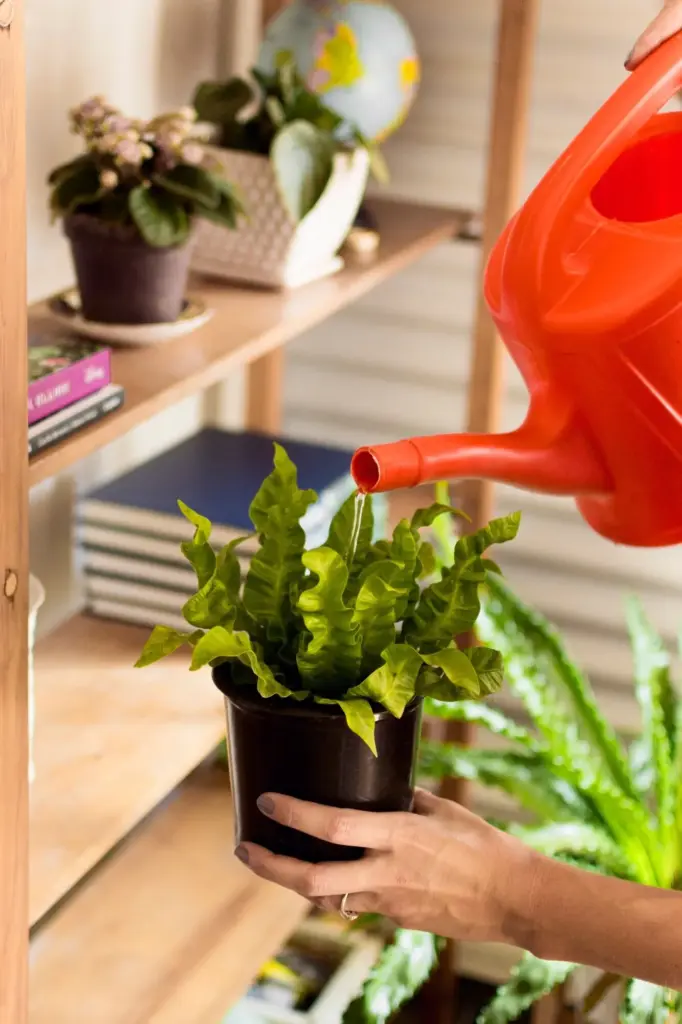
Roots thrive where water, air, and nutrients meet in balanced proportion. Moisture sensors, weight scales, and EC probes reveal that sweet intersection so irrigations arrive as replenishing sips rather than disruptive floods. Timers deliver pulses, not deluges, and data validates recovery curves between events. The result is resilient roots with eager, white tips, leaves that stay perky through midday, and a substrate that breathes—neither swampy nor parched, just steadily supportive of ongoing growth.

Dashboards, Alerts, and Experiments
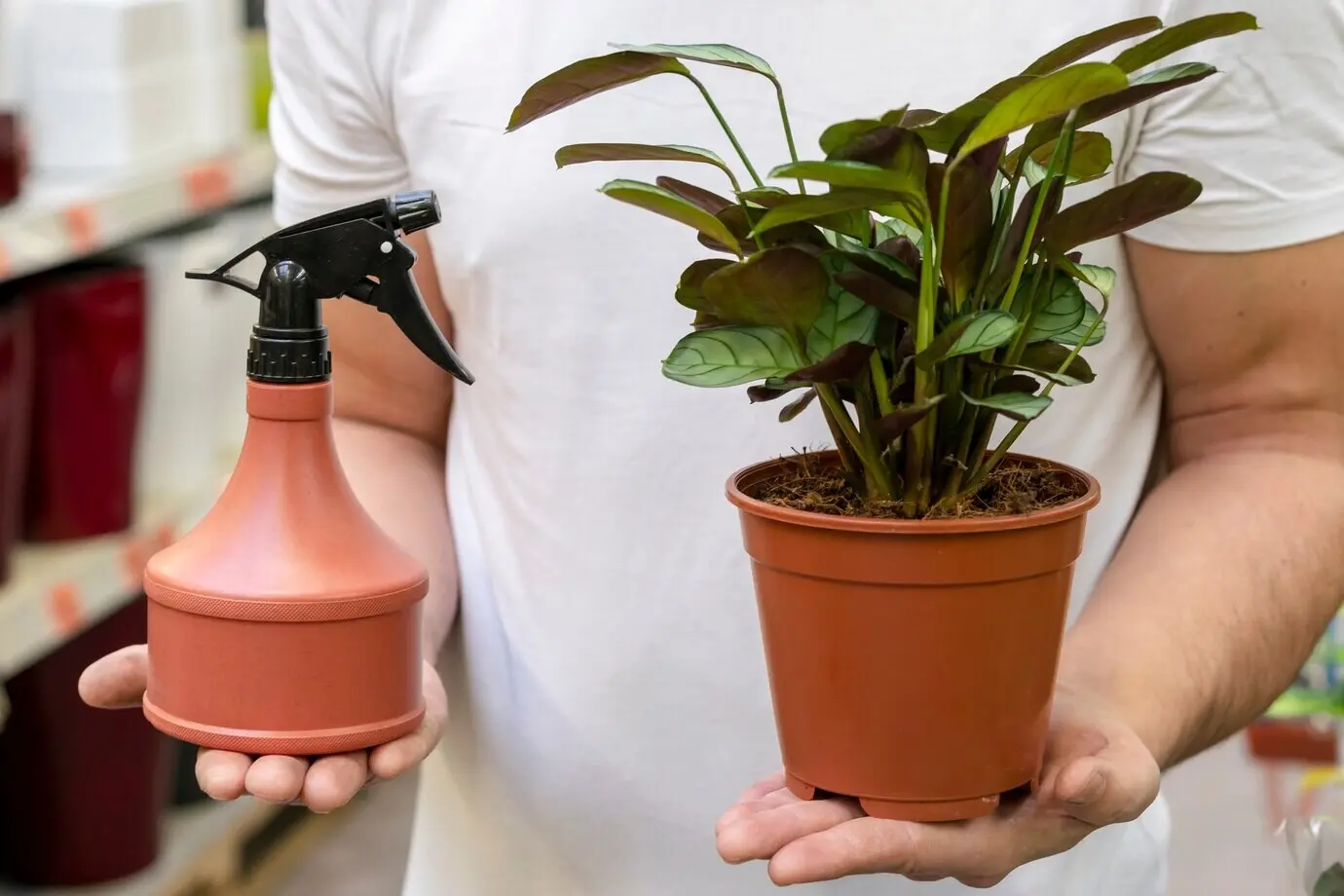
Visibility reduces anxiety and empowers better choices. A simple dashboard that highlights trends, not just snapshots, will catch drifts before they become problems. Alerts should be kind, actionable, and rate-limited so you trust them. With logs preserved, you can run micro-experiments—small, controlled trials that quickly reveal what truly helps. Each iteration tightens control while simplifying routine, creating a garden that feels cared for by intention rather than constant firefighting.

Basil loves balance: VPD, light, and careful pulses
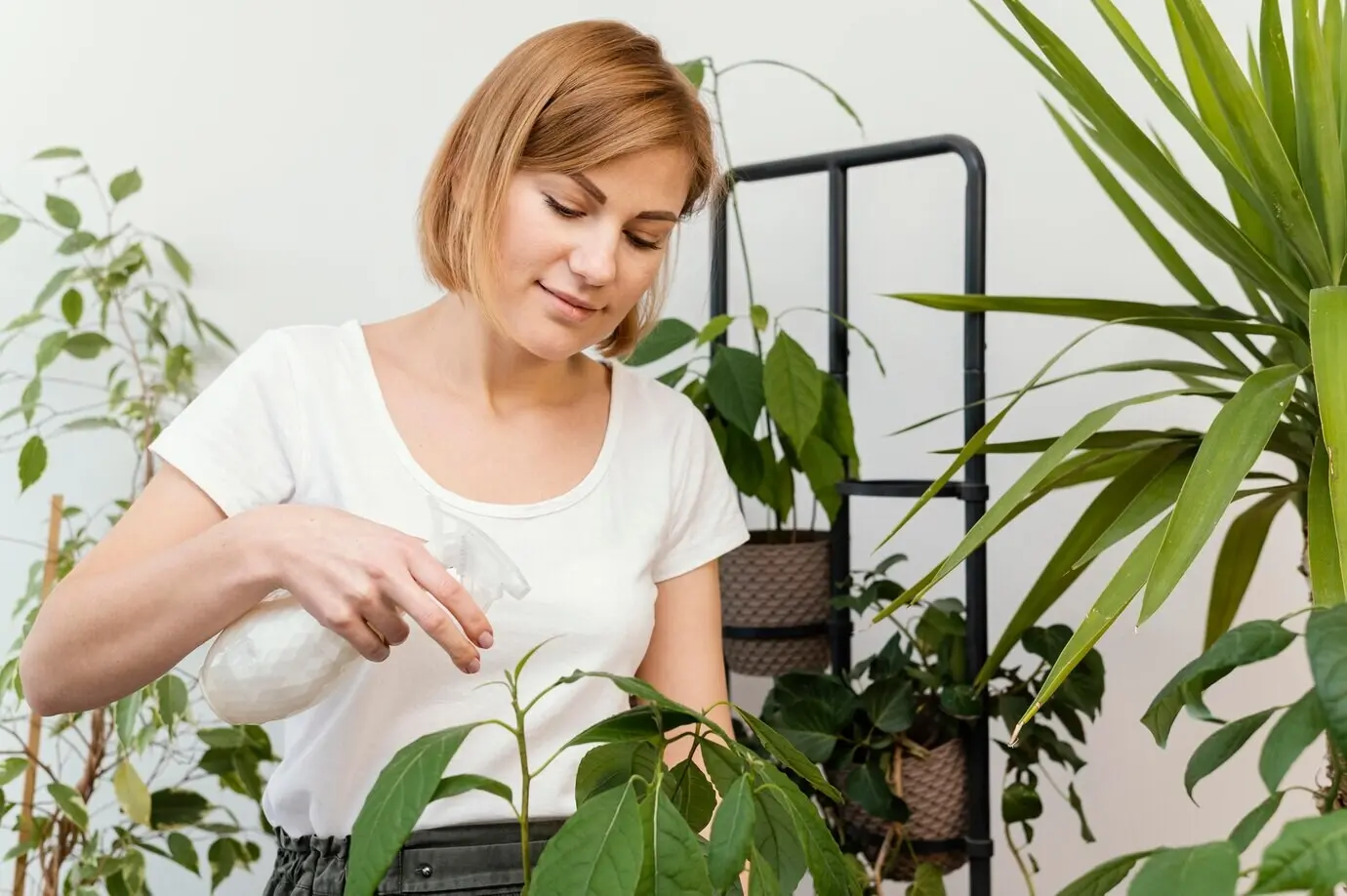
A small kitchen basil project doubled usable harvest over six weeks by smoothing morning humidity, synchronizing CO2 only during bright hours, and switching to three short irrigation pulses instead of one heavy watering. Leaves stayed glossy, internodes tightened, and flavor intensified. The dashboard showed fewer spikes, and energy costs dipped slightly. Most importantly, the grower felt calmer; routines were dependable, and basil stopped sulking whenever weather outside threw a tantrum.

Orchid recovery through kinder airflow and timing

A struggling phalaenopsis regained turgor when misting moved earlier, a fan angled above the canopy prevented wet crowns, and a small heat mat lifted nighttime roots just a touch. Timers enforced gentle consistency while moisture probes verified that media never stayed soggy. Over a month, leaves plumped, roots silvered, and a spike emerged. The change was not dramatic—simply thoughtful pacing guided by data, patience, and respect for the plant’s slower heartbeat.
Zutitaxipukakone
Privacy Overview

This website uses cookies so that we can provide you with the best user experience possible. Cookie information is stored in your browser and performs functions such as recognising you when you return to our website and helping our team to understand which sections of the website you find most interesting and useful.